Your solution to microplastics during washing
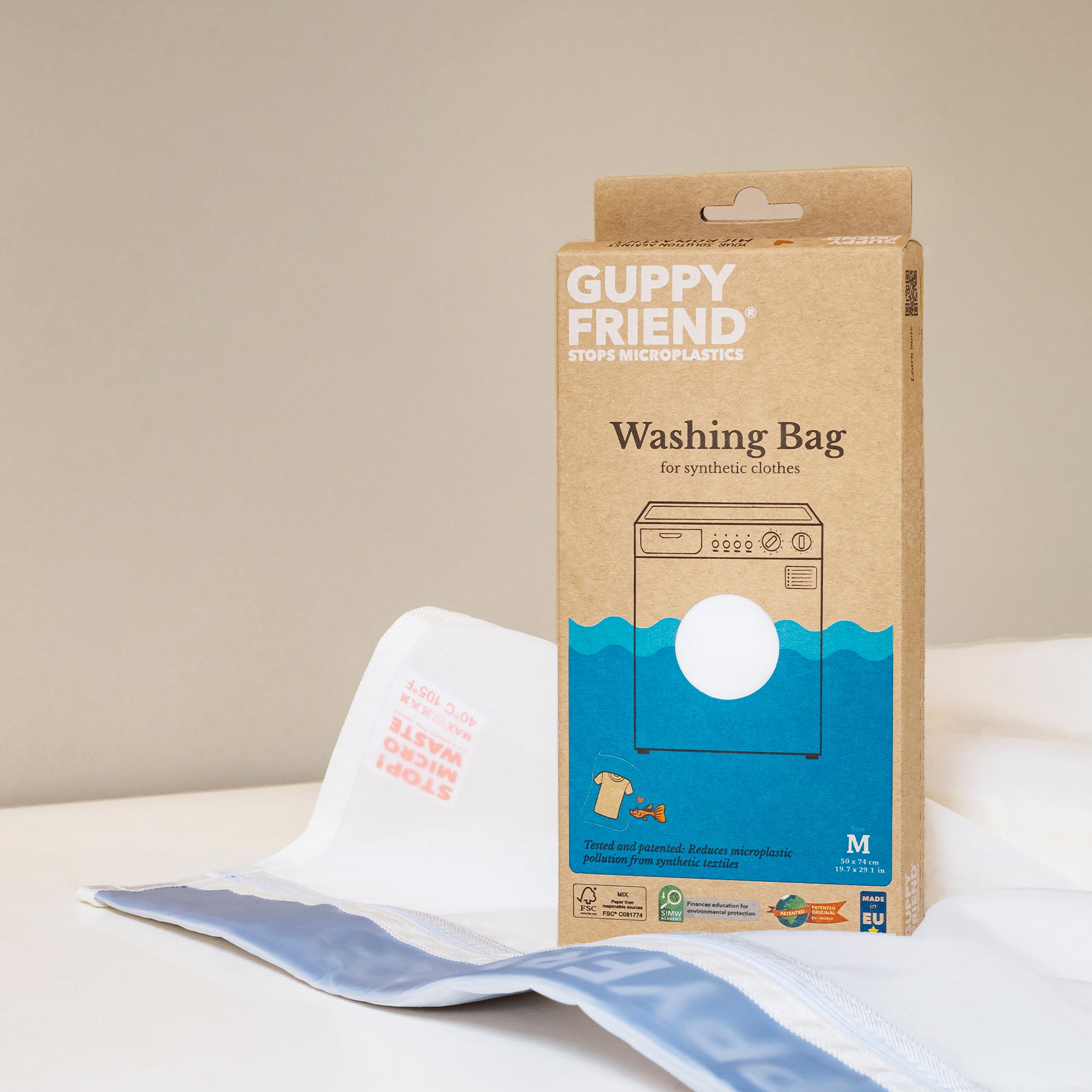
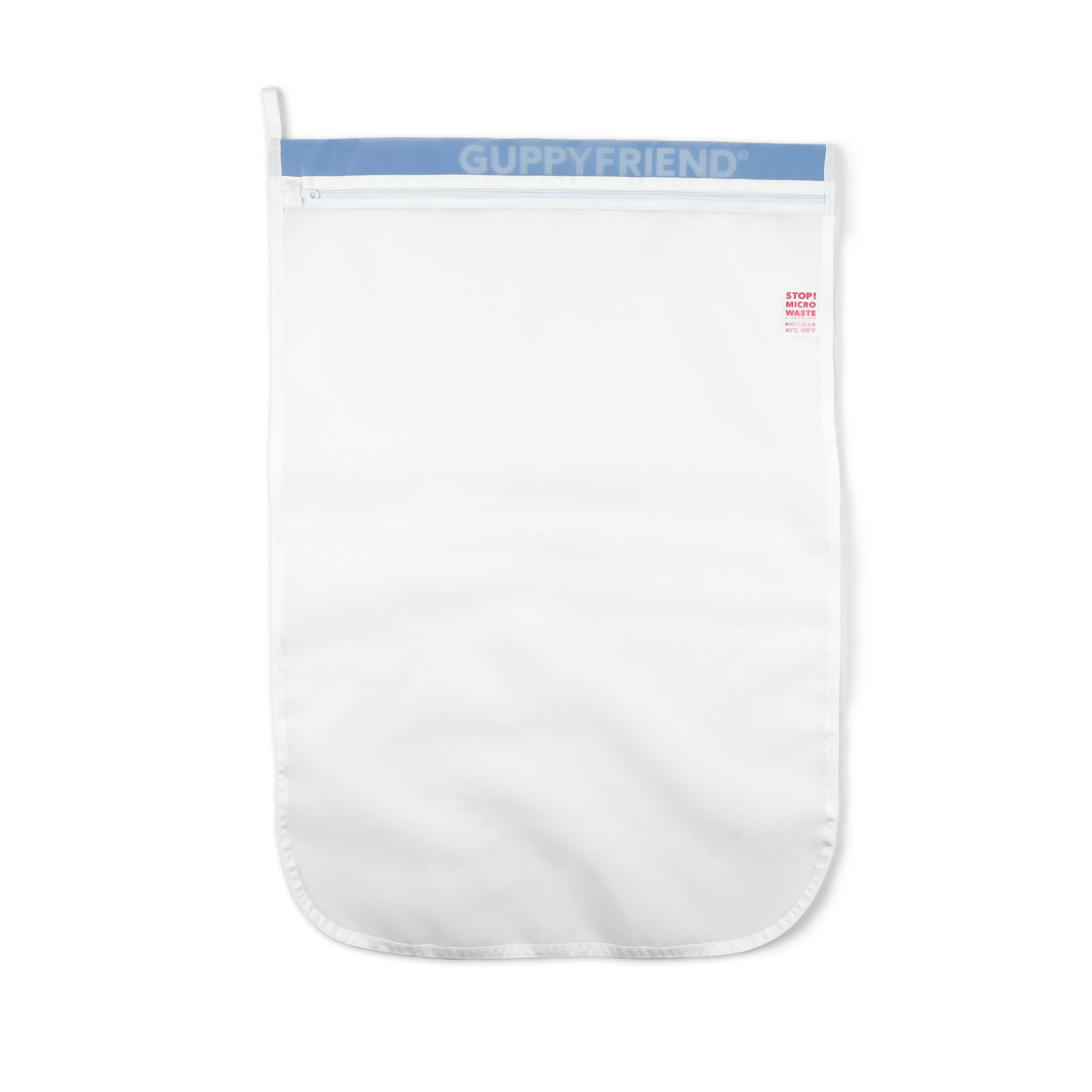
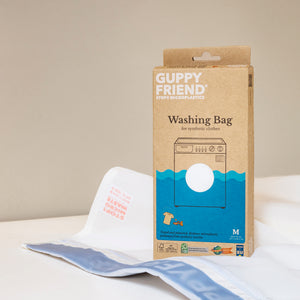
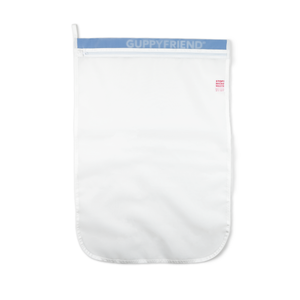
Synthetic fabrics lose microplastics, especially in your washing machine. The particles ultimately end up in rivers and oceans and harm nature and our health. With the GUPPYFRIEND Washing Bag, you can easily prevent this: It reduces fibre shedding during washing thereby protecting your clothes, and it reliably filters microplastic fibres out before they pollute water. Thumbs up! That’s good for you, your clothes and the environment.


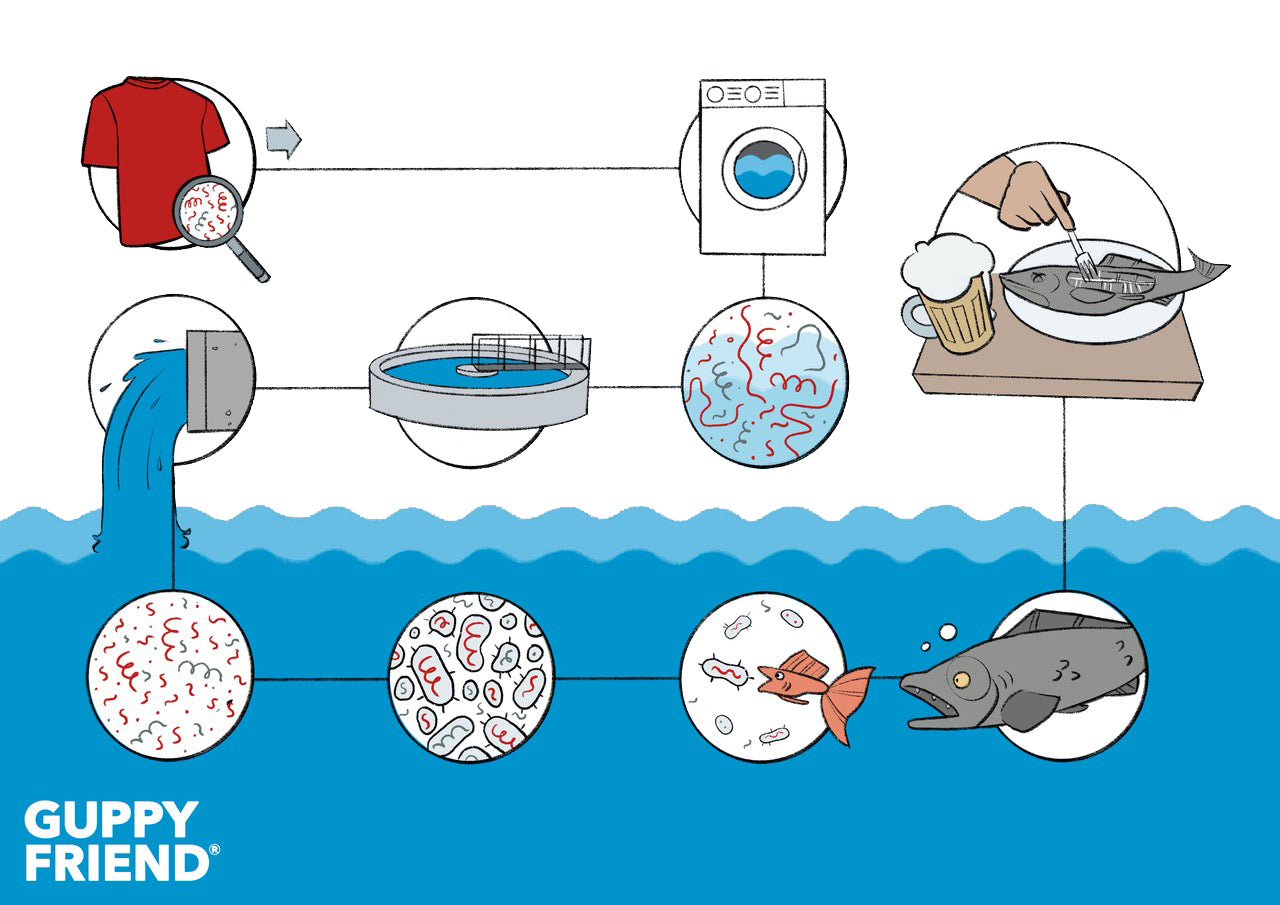
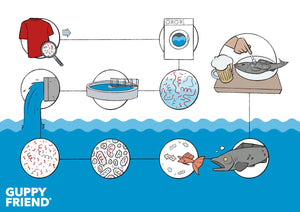
Did you know that countless microplastic fibres break off from our clothes with every wash? These cannot be reliably filtered out by washing machines or sewage treatment plants, and so end up in our waterways.
The microplastic particles break down into ever-smaller pieces and accumulate toxins. They are ingested by fish and other marine life, which cannot distinguish the tiny plastic from their food. The consequences for animals and nature are serious.
And we are affected too: the plastic fibres from our clothes enter our bodies via our food.
Did you know that countless microplastic fibres break off from our clothes with every wash? These cannot be reliably filtered out by washing machines or sewage treatment plants, and so end up in our waterways.
The microplastic particles break down into ever-smaller pieces and accumulate toxins. They are ingested by fish and other marine life, which cannot distinguish the tiny plastic from their food. The consequences for animals and nature are serious.
And we are affected too: the plastic fibres from our clothes enter our bodies via our food.
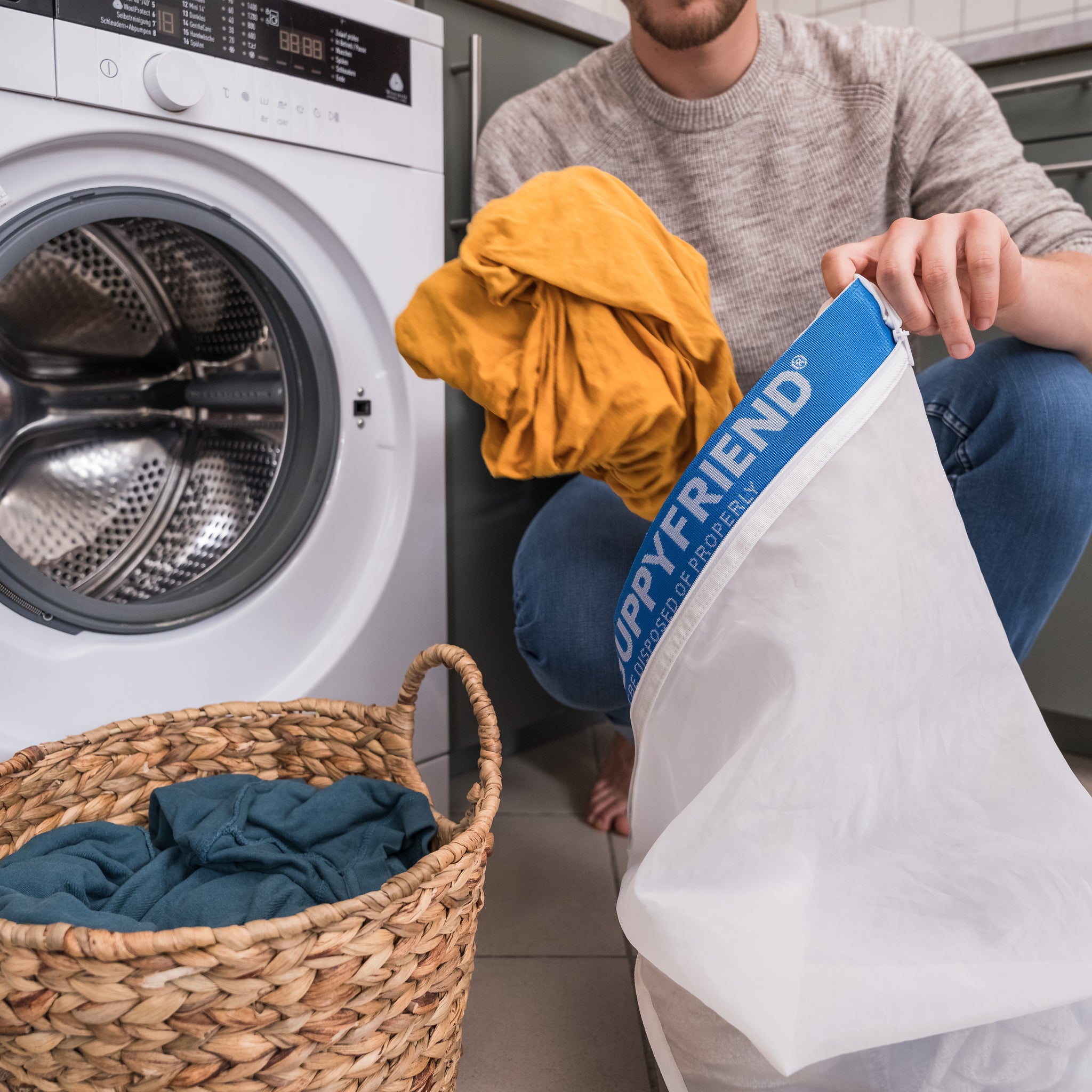
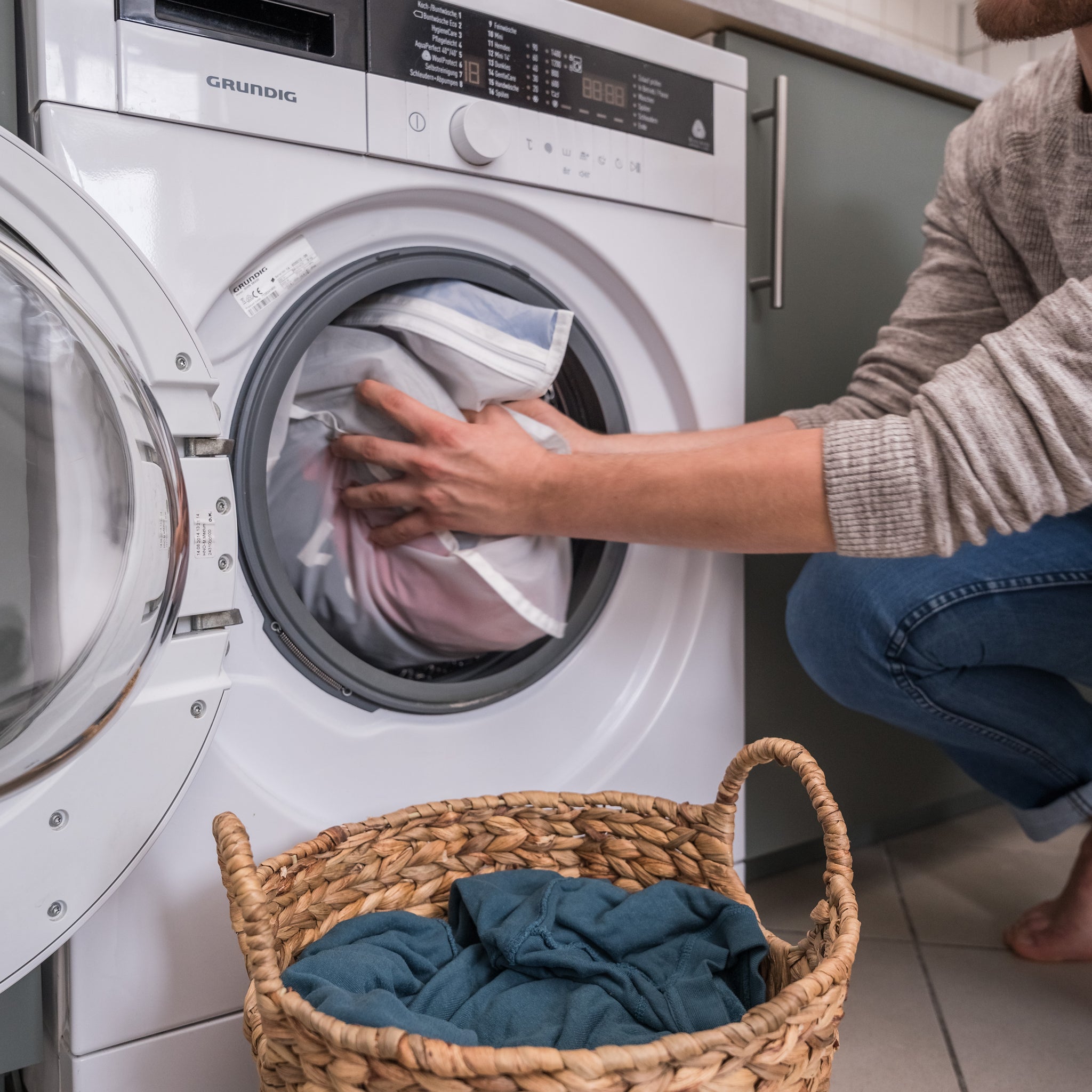
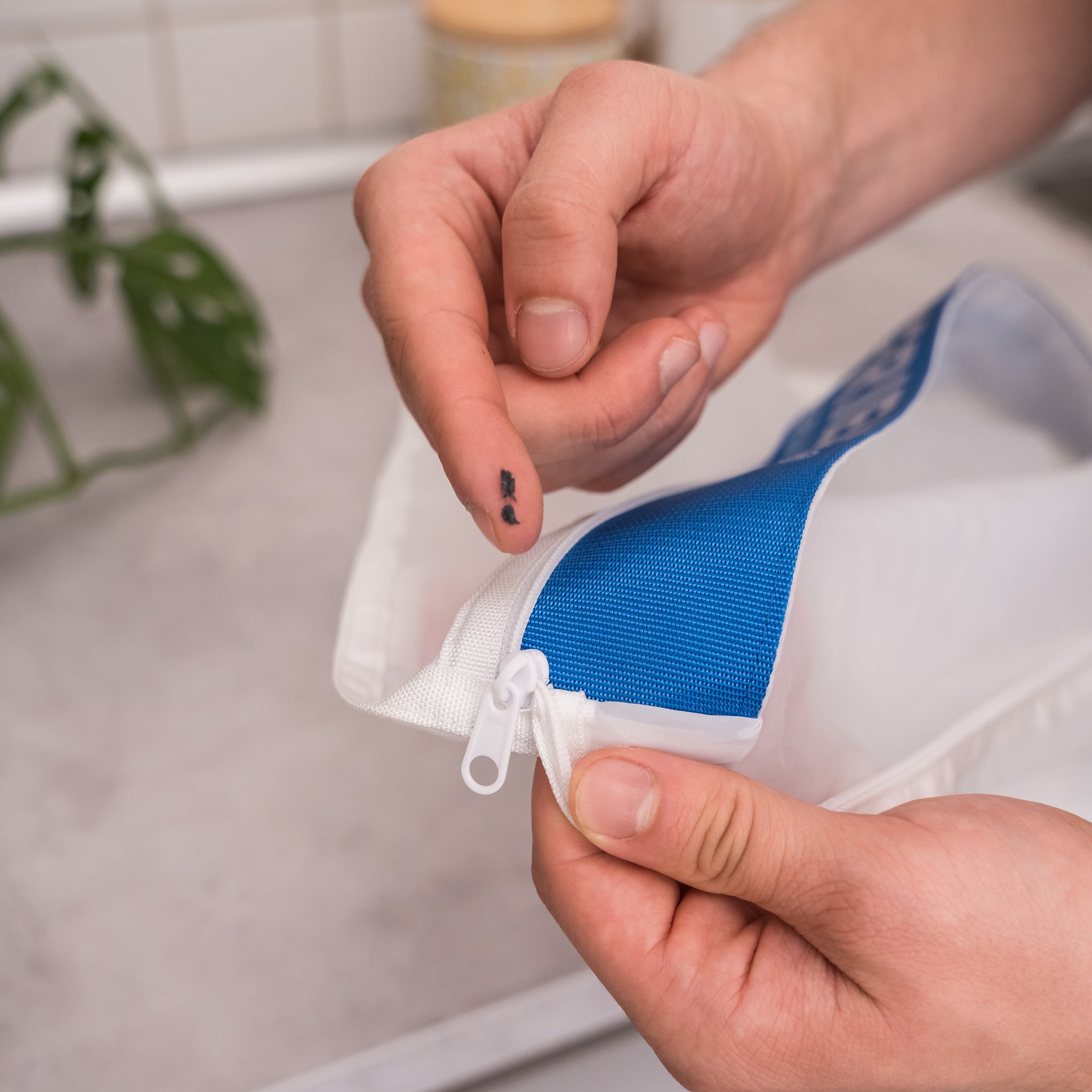
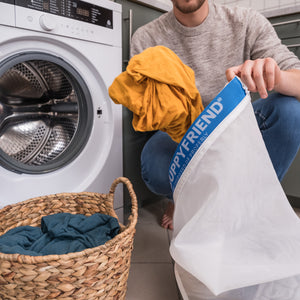
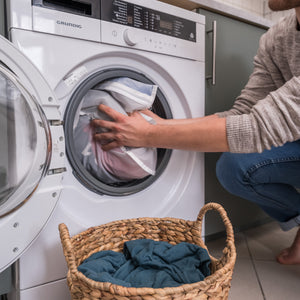
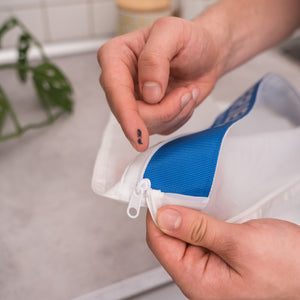
Place synthetic garments in the GUPPYFRIEND Washing Bag, close the zip completely and wash as usual with other garments at a maximum of 40°C. Then remove the clothes from the GUPPYFRIEND Washing Bag whilst still damp, remove the collected fibres from the hem and dispose of them in the general waste.
Place synthetic garments in the GUPPYFRIEND Washing Bag, close the zip completely and wash as usual with other garments at a maximum of 40°C. Then remove the clothes from the GUPPYFRIEND Washing Bag whilst still damp, remove the collected fibres from the hem and dispose of them in the general waste.


What else can you do? In general, the following formula applies to washing: Wash colder and less often. Liquid detergent compared to powder detergent leads to fewer broken microfibers because powder promotes abrasion. Wash hard and soft textiles separately and reduce the spin speed. Sounds complicated? It’s very easy. Our GUPPYFRIEND washing guide has detailed all the steps for you.
Also: Always filter the cleaning water! According to a study by the well-known Fraunhofer Institute, each of us produce on average 4 to 5 kilograms of microplastic per year. Our solutions, such as the GUPPYFRIEND Washing Bag, the GUPPYFRIEND Washing Machine Filter, the GUPPYFRIEND Bucket Filter and the GUPPYFRIEND Sink Filter, which help you to stop microplastics quickly and effectively at the source. Causing microplastic pollution because we are too comfortable with making a small change to our daily routines? Not with us! Thank you for your contribution to protecting the environment!
What else can you do? In general, the following formula applies to washing: Wash colder and less often. Liquid detergent compared to powder detergent leads to fewer broken microfibers because powder promotes abrasion. Wash hard and soft textiles separately and reduce the spin speed. Sounds complicated? It’s very easy. Our GUPPYFRIEND washing guide has detailed all the steps for you.
Also: Always filter the cleaning water! According to a study by the well-known Fraunhofer Institute, each of us produce on average 4 to 5 kilograms of microplastic per year. Our solutions, such as the GUPPYFRIEND Washing Bag, the GUPPYFRIEND Washing Machine Filter, the GUPPYFRIEND Bucket Filter and the GUPPYFRIEND Sink Filter, which help you to stop microplastics quickly and effectively at the source. Causing microplastic pollution because we are too comfortable with making a small change to our daily routines? Not with us! Thank you for your contribution to protecting the environment!


